
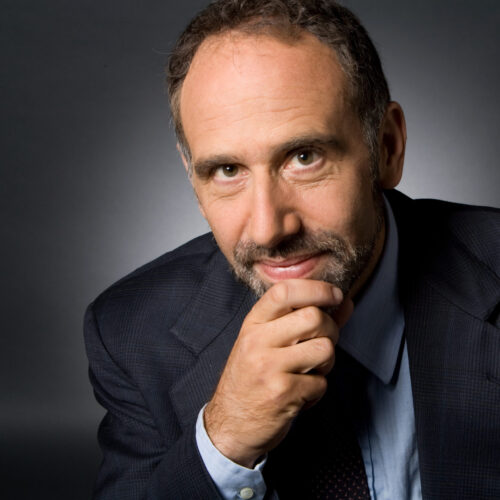
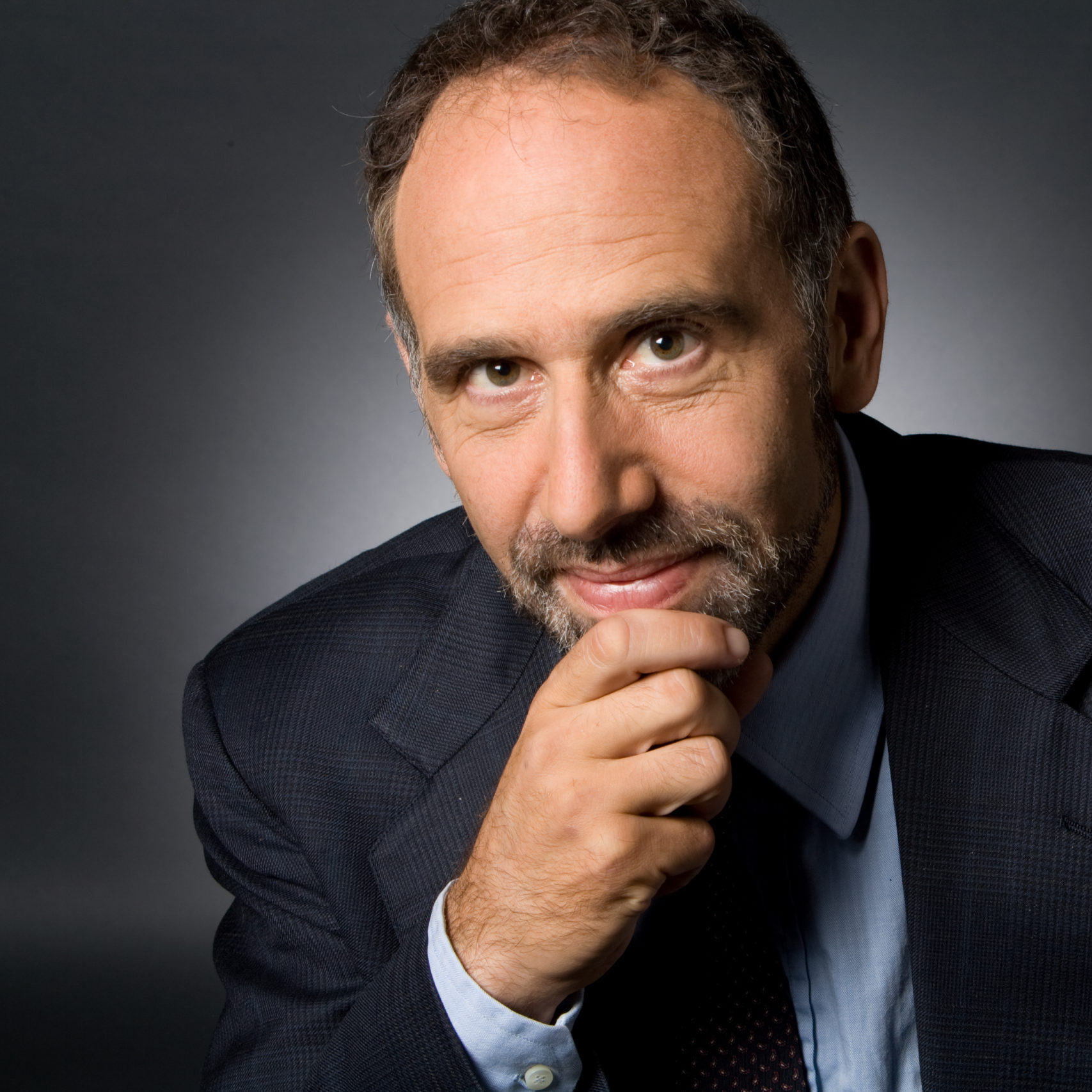
Dean Baker co-founded CEPR in 1999. His areas of research include housing and macroeconomics, intellectual property, Social Security, Medicare, and European labor markets. His blog, Beat the Press, provides commentary on economic reporting. His analyses have appeared in many major publications, including The Atlantic, The Washington Post, the Financial Times (London), and the New York Daily News. Dean received his BA from Swarthmore College and his PhD in economics from the University of Michigan.
Dean has written several books, including Getting Back to Full Employment: A Better Bargain for Working People (with Jared Bernstein, Center for Economic and Policy Research, 2013); The End of Loser Liberalism: Making Markets Progressive (Center for Economic and Policy Research, 2011); Taking Economics Seriously (MIT Press, 2010), which thinks through what we might gain if we took the ideological blinders off of basic economic principles; and False Profits: Recovering from the Bubble Economy (PoliPoint Press, 2010), about what caused — and how to fix — the 2008–2009 economic crisis. In 2009, he wrote Plunder and Blunder: The Rise and Fall of the Bubble Economy (PoliPoint Press), which chronicled the growth and collapse of the stock and housing bubbles and explained how policy blunders and greed led to catastrophic — but completely predictable — market meltdowns. He also wrote a chapter (“From Financial Crisis to Opportunity”) in Thinking Big: Progressive Ideas for a New Era (Progressive Ideas Network, 2009). His previous books include The United States Since 1980 (Cambridge University Press, 2007), The Conservative Nanny State: How the Wealthy Use the Government to Stay Rich and Get Richer (Center for Economic and Policy Research, 2006), and Social Security: The Phony Crisis (with Mark Weisbrot, University of Chicago Press, 1999). His book Getting Prices Right: The Debate Over the Consumer Price Index (editor, M.E. Sharpe, 1997) was a winner of a Choice Book Award as one of the outstanding academic books of the year.
Among his numerous articles are “The Benefits of a Financial Transactions Tax,” Tax Notes 121, no. 4 (2008); “Are Protective Labor Market Institutions at the Root of Unemployment? A Critical Review of the Evidence” (with David R. Howell, Andrew Glyn, and John Schmitt), Capitalism and Society 2, no. 1 (2007); “Asset Returns and Economic Growth,” with Brad DeLong and Paul Krugman, Brookings Papers on Economic Activity (2005); “Financing Drug Research: What Are the Issues,” Center for Economic and Policy Research (2004); “Medicare Choice Plus: The Solution to the Long-Term Deficit Problem,” Center for Economic and Policy Research (2004); “Professional Protectionists: The Gains From Free Trade in Highly Paid Professional Services,” Center for Economic and Policy Research (2003); and “The Run-Up in Home Prices: Is It Real or Is It Another Bubble?,” Center for Economic and Policy Research (2002).
Dean previously worked as a senior economist at the Economic Policy Institute and an assistant professor at Bucknell University. He has also worked as a consultant for the World Bank, the Joint Economic Committee of the US Congress, and the OECD’s Trade Union Advisory Council. He was the author of the weekly online commentary on economic reporting, the Economic Reporting Review, from 1996 to 2006.
All from Dean Baker
Investment and Government Spending Boost First Quarter GDP, Inflation Jumps to 4.5%
The first quarter GDP report shows modest growth and rising inflation. With so much spending concentrated in health care and data centers, the outlook is not good.

Quick Thought on AI and the Environment: It Should Mean MORE Environmental Regulation
The expected economic gains from AI should support stronger environmental regulation, but current policies are moving in the opposite direction.

GDP Preview: What to Expect in the First Quarter 2026 Report
The overall GDP growth rate for the quarter is likely to be around 2.0 percent, but most areas of consumer spending are showing little or no growth.
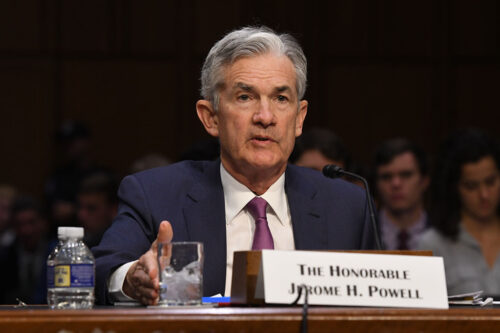
Jerome Powell Ends His Career as Fed Chair
Jerome Powell’s time as Fed chair is defined by a strong commitment to full employment, delivering low unemployment and rising wages while guiding inflation down with minimal economic damage.
Will Gravity Pull Down the AI Bubble?
The current AI boom shows striking similarities to the dot-com bubble, raising doubts that today’s sky-high valuations can be sustained in the face of competition and uncertain profits.

Trump’s Ignorance Could Kill Millions
Trump’s apparent disregard for the predictable consequences of striking Iran could drive energy shocks, food crises, and widespread suffering that put millions at risk worldwide.
Bad Vibes and the Trump Betrayal
Consumer pessimism may stem less from economic fundamentals than from polarization and Trump supporters feeling betrayed by unmet promises.
Who Won the 2020 Election is NOT a Political Question
The 2020 election result is an undisputed fact, making Warsh’s refusal to state it a revealing test of his independence.
Trump Hits a Home Run for the Green Transition
Trump’s war-driven energy shock may unintentionally hasten the global shift to clean energy while weakening US dominance.

We Don’t Need Billionaires, and We Can Structure the Market So We Don’t Have Them
A critique of claims that billionaires are essential to innovation, arguing that policy choices, not individuals, create extreme wealth.