
Exporters Still Are Not Eating the Trump Tariffs: They are Taxes on Us
New import price data reinforce that Trump’s tariffs function as taxes paid by American importers and consumers, not by foreign countries.

New import price data reinforce that Trump’s tariffs function as taxes paid by American importers and consumers, not by foreign countries.
Using purchasing power parity data, the piece explains why China’s economy is larger than the US economy and why its faster growth is steadily widening the gap.

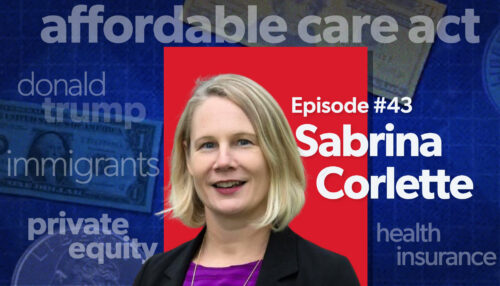
This week on Mostly Economics, Dean Baker talks with Sabrina Corlette, Research Professor at Georgetown University’s Center on Healthcare Insurance Reforms, about the ramifications of Trump’s one big ugly bill, which gutted Affordable Care Act coverage.
The New York Times exaggerates the weakness of China’s economy by misrepresenting GDP growth, misunderstanding deflation, and overlooking the country’s longer-term economic transition.

The Paramount-Warner merger threatens media competition, increases political control over major news outlets, and underscores the need for alternative public funding for journalism.

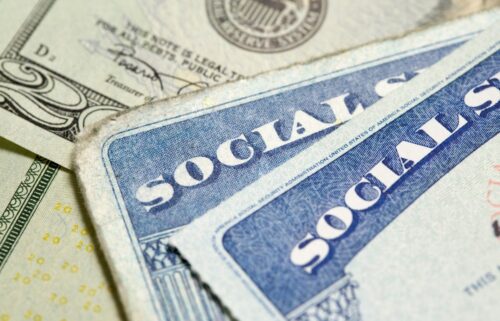
Social Security’s long-term financing shortfall is driven primarily by decades of rising income inequality and slower wage growth, not an aging population or overly generous benefits.
Is there an AI bubble? Some key indicators point to one — and when bubbles burst, there can be massive shocks in the housing and job markets that last for years. This weekly tracker will compare current trends on Wall Street with historical averages.

A decades-old jury duty experience serves as a reminder that ordinary citizens can thoughtfully weigh evidence and reach fair verdicts.

The cost of homeowners insurance has been rising dramatically — and it is not adequately captured in the official inflation measures.

Industrial policy is unavoidable, and the real question is whether an AI sovereign wealth fund is an effective way to support innovation and economic growth.