
Data Bytes
CEPR produces same-day analyses of government data on employment, inflation, GDP and other topics.
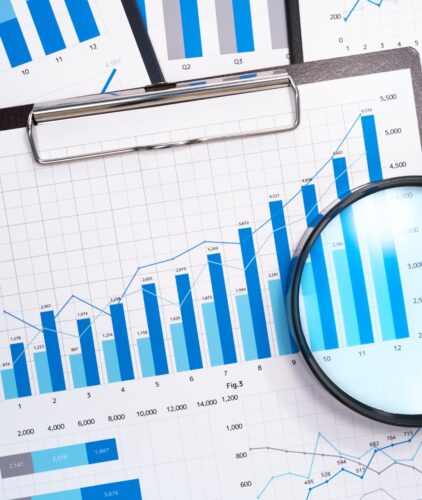
CEPR produces same-day analyses of government data on employment, inflation, GDP and other topics.
The cost of homeowners insurance has been rising dramatically — and it is not adequately captured in the official inflation measures.

The federal minimum wage has been stuck at $7.25 for 17 years— which is bad news for workers, especially those in states that do have not set a higher wage floor.

While this month’s job growth numbers are fine, wage growth remains weak and the continuing concentration of jobs in the health care and social assistance sector does not suggest a strong economy overall.
The June numbers should be good, but weak wage growth and other negative indicators are signs that workers do not feel positive about the state of the labor market.

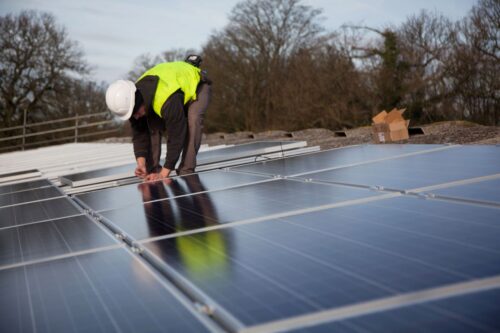
During the Biden years, infrastructure investments helped create clean energy jobs, some of which were union jobs. The Trump administration is working to reverse those gains.
Scrapping the subminimum wage is long overdue — and wildly popular across the political spectrum.

Rising energy prices will likely push inflation higher in May, and food and vehicle prices are likely to continue to increase as well.

Despite some anomalies, the overall jobs picture looks positive, but that could change if the war continues and oil prices stay high.
The overall labor market story is somewhat positive; however, if wage growth continues to lag inflation, consumer demand will not be able to sustain growth going forward.
A vague recommendation in the new FEMA Review Council report could threaten a key flood insurance program.