
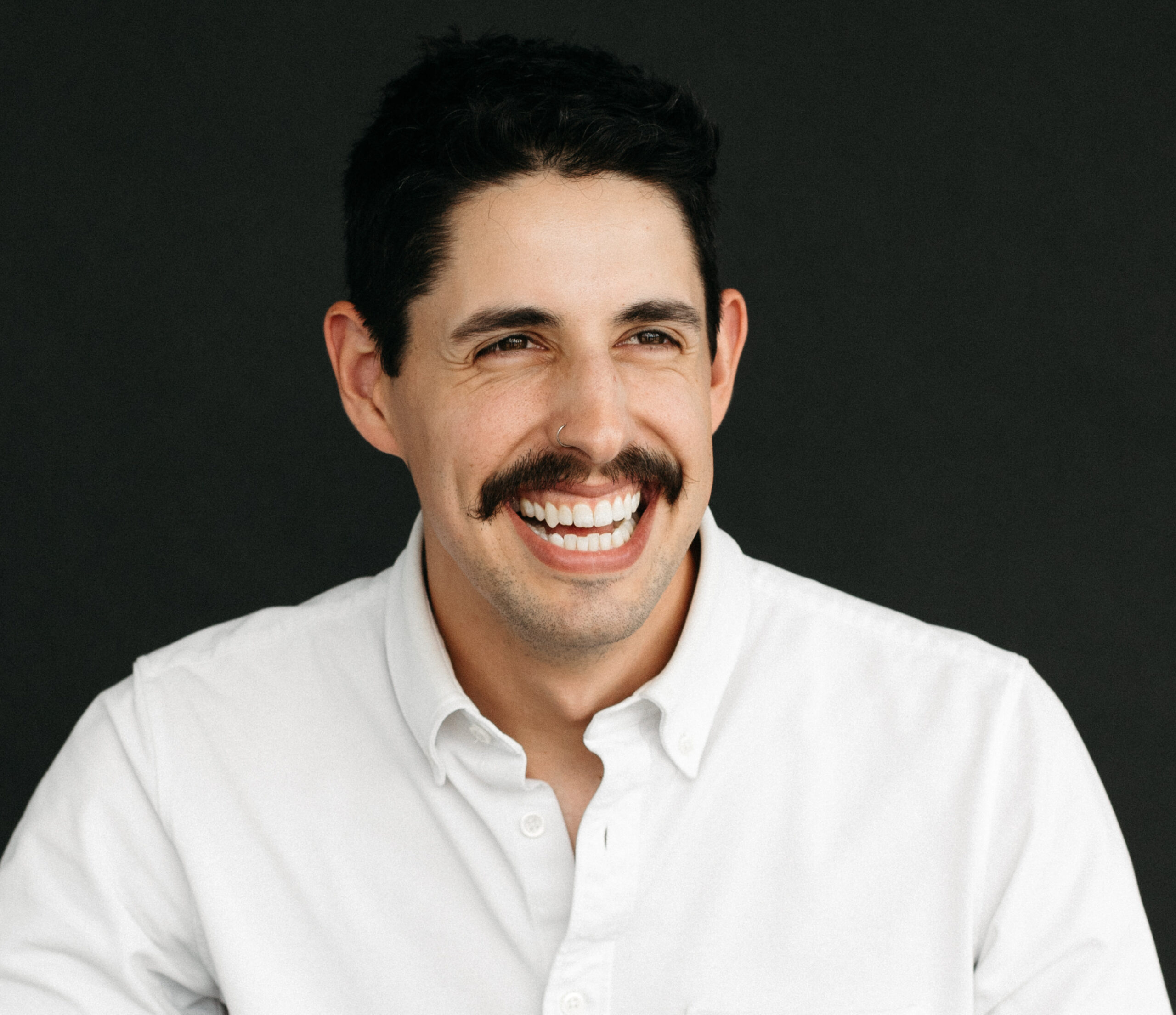
Michael conducts research and policy analysis on the International Monetary Fund, debt, and economic sanctions at CEPR.
Michael’s research focuses on the global political economy, how the structures of the global economic architecture affect development in the Global South, and the prospects of constructing a New International Economic Order. Prior to CEPR, Michael has worked on issues related to foreign policy and international development at Win Without War, the United Nations, and more.
Michael holds a Master in Public Policy from the Harvard Kennedy School of Government, where he studied international political and economic development, and a BA in international relations and sociology from Brown University.
All from Michael Galant
Omitting the Evidence: What the IMF Gets Wrong about Venezuela
What the IMF Gets Wrong about Venezuela
CEPR Sanctions Watch, December 2022
In this Sanctions Watch, covering December 2022: Seized Afghan assets languish in US-backed trust fund while Afghans prepare for a grueling winter…

CEPR Sanctions Watch, November 2022
In this edition of CEPR Sanctions Watch: the Afghan Fund meets, but relief for Afghanistan remains far as winter draws near.
CEPR Sanctions Watch, September–October 2022
CEPR Sanctions Watch aims to help generate more awareness around sanctions by providing regular updates on US economic sanctions policy and its harmful impacts on people around the world.

CEPR Sanctions Watch, August 2022
CEPR Sanctions Watch aims to help generate more awareness around sanctions by providing regular updates on US economic sanctions policy and its harmful impacts on people around the world.
Afghanistan: One Year of Taliban Rule, Event Transcript
Unfreeze Afghanistan convened leading economists, humanitarian experts, and foreign policy analysts to discuss the humanitarian situation in Afghanistan.
CEPR Sanctions Watch, July 2022
CEPR Sanctions Watch aims to help generate more awareness around sanctions by providing regular updates on US economic sanctions policy and its harmful impacts on people around the world.
CEPR Sanctions Watch, May-June 2022
Though now a key part of US policy-making, and a defining feature of the global economic order, sanctions, and their human costs, as well as violations of treaties to which the United States is a signatory, receive relatively little attention.

Lawmakers from Around the World Discuss Power of SDRs for Global Climate Finance
SDRs are not a magic bullet for climate finance. But as part of a wider framework, they can be a key tool for leveraging the resources needed for global climate justice.
“Examining the Gendered and Other Impacts of IMF Surcharges” Event Transcript
“Examining the Gendered and Other Impacts of IMF Surcharges” explored the extent to which the IMF’s surcharge policy is consistent with its stated commitment to gender equality and a greener, smarter, and fairer COVID-19 recovery.