Article
Invest in Clean Energy and Sustainable Land Use
Article
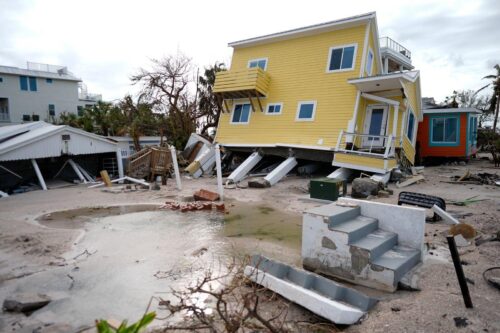
The climate is undergoing a significant and well-documented warming trend, driven primarily by rising atmospheric concentrations of greenhouse gases such as carbon dioxide (CO2). Rising global temperatures present a multifaceted challenge with far-reaching consequences for ecosystems, human societies, and the planet. The primary contributor to elevated CO2 levels is the burning of fossil fuels (i.e., coal, oil, and gas) for energy, industrial processes, and transportation. Another major contributor is deforestation. Forests absorb CO2 from the atmosphere, and their removal releases this stored CO2 back into the atmosphere.
Solution: Build Clean Energy, Strengthen Policies to Reduce Pollution
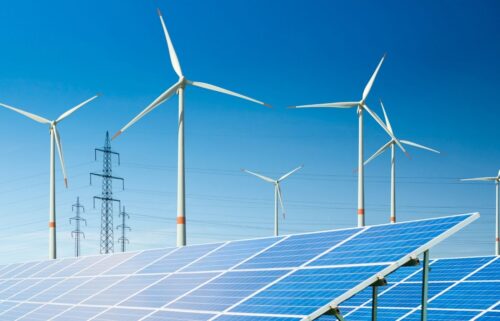
Addressing this issue requires a concerted effort at both the federal and state levels to reduce greenhouse gas emissions by transitioning towards sustainable solutions — which include investing in renewable energy sources, improving energy efficiency, and promoting sustainable land-use practices.
Polls Show Growing Concerns Around Climate Risks
Americans’ views on the risk posed by greenhouse gases have changed over the last decade. In both the 2010 and 2021 editions of the General Social Survey, respondents were asked for their views on the environmental impact of greenhouse gases. The specific question posed was, “Do you think that a rise in the world’s temperature caused by climate change is …”.
The world is facing a significant warming trend caused by unsustainable greenhouse gas concentrations, primarily from burning fossil fuels and deforestation. With the US being a major contributor to greenhouse gas emissions, solutions are needed at both the federal and state levels, including investing in renewable energy, improving energy efficiency, promoting sustainable land use through zero-deforestation commitments, and developing carbon capture technologies. Specific actions include reinstating federal grants for clean energy, enforcing regulations requiring coal and natural gas plants to capture carbon or retire, strengthening environmental regulations for high-energy-consumption facilities such as AI data centers, supporting zero-net-deforestation pledges, and implementing just transition policies for workers in the coal and gas sectors.
Resources:
Article

Podcast

Article

Article