
Article • Mark Weisbrot’s Columns
(Foreign Policy) IMF Latest Loan to Argentina Is Part of its Decades-Long Failure There, and Is Widely Seen as Politically Driven

Article • Mark Weisbrot’s Columns
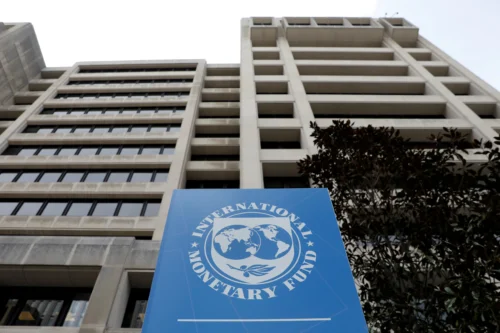
Mark Weisbrot writes about a big story in Foreign Policy: the International Monetary Fund’s (IMF’s) unusual decision to loan tens of billions of dollars more to Javier Milei’s government in Argentina, despite the fact that half of the IMF board reportedly opposed the new loan. It seems clear from reports in Bloomberg and the Financial Times that the decision was made in large part because of the Trump administration’s outsized leverage at the Fund. This was quickly followed by election interference from IMF Managing Director Kristalina Georgieva when she urged Argentine voters to stay the course when they go to vote later this year. She was also photographed, during the IMF’s Spring Meetings in April, wearing a chainsaw lapel pin that one of Milei’s ministers had given her. All this was very controversial in Argentina.
The FT reported in May: “Washington’s support was instrumental in pushing through a jumbo $20bn IMF loan to serial defaulter Argentina, already by far the fund’s biggest debtor, said people close to the process.” It notes the significance of Treasury Secretary Bessent traveling to Argentina — his second international trip as US Treasury Secretary — to show support for Milei as Milei lifted currency controls.
Mark warns of the risks from the new loan: “Moody’s currently rates Argentina’s sovereign bonds at Caa3, indicating a very high credit risk. This is a dark sequel to the IMF’s all-time-record-size loan in 2018, also to Argentina, of $57 billion in 2018.” Mark notes that with the 2018 loan, “Tens of billions of dollars from the loan financed capital flight, the economy fell into recession, inflation shot up, and [then-president Macri] lost the presidential election of 2019.”
Mark also describes the role of the IMF in the historic economic slowdown in Latin America that began in the 1980s — something that Mark has written about in our widely cited “Scorecard on Development” series.
Article

Article

Article
Article

Report
Article

Article

Event Recap