Article
Build Community Resilience

Article
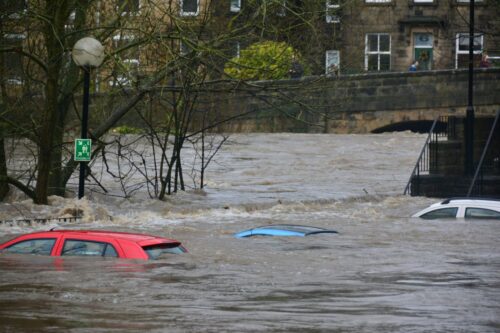
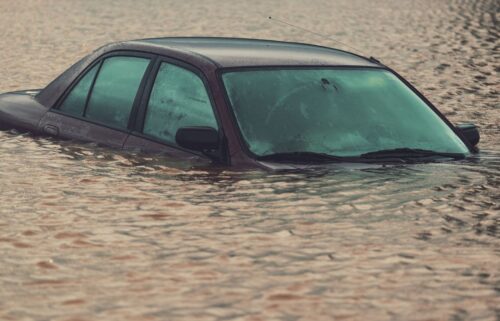
The US is experiencing an increase in the frequency and intensity of climate change-driven disasters, including hurricanes, floods, droughts, and wildfires. The consequences are severe and multifaceted. The economic fallout is considerable: Escalating damage and recovery costs are coinciding with a decline in federal support under Trump. States cannot afford mitigation and rebuilding costs, and insurers are withdrawing from certain states to avoid paying out on a rising volume of claims. Socially vulnerable populations are suffering disproportionately, leading to instability. This escalating crisis demands a national paradigm shift from reactive response to proactive risk management, mitigation, and resilience as a primary national priority.
Solution: A Multifaceted Approach to Mitigation and Lowering Insurance Costs
There is no single solution to adapting to climate change-driven disasters, as the issues communities face vary by region. Furthermore, addressing only one dimension of the problem in isolation can exacerbate the issue. For example, making disaster insurance more widely available and affordable without simultaneously implementing risk-reduction strategies can worsen the situation.
The following are measures that can be taken in tandem to build resilience:
The Public Supports Some Mitigation Strategies More Than Others
Currently, polling shows majority support for stricter building standards and financial assistance to rebuild, but more needs to be done to build support for other measures that can help build resilience (see figure). Banning construction in high-risk regions or federally assisted relocation can move communities out of harm’s way, as long as the community leads the decision-making process.
The increasing frequency and intensity of climate change-driven disasters — such as hurricanes and wildfires — require a shift from reactive response to risk mitigation and management. A slowing economy, rising damage costs, declining federal support, and insurers’ withdrawal from vulnerable states are exacerbating the problem, and vulnerable populations bear a disproportionate share of the burden. No single solution exists, and focusing on a single aspect of the issue could make matters worse. Instead, tandem measures such as limiting construction in disaster-prone areas, working at the local level to change zoning and regulations that prohibit mitigation, and incentivizing homeowners to undertake mitigation measures can reduce insurance rates and help protect communities.
Resources:
Article
Article
Article
Article