
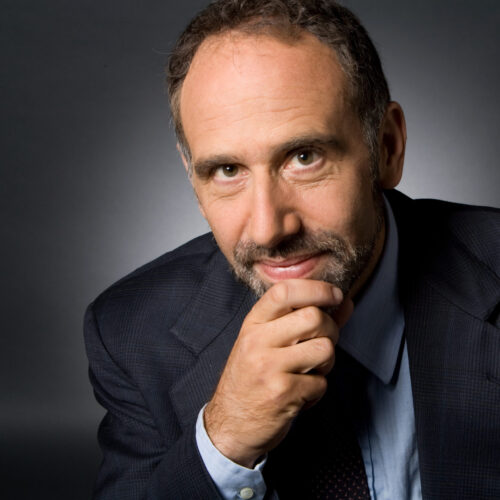
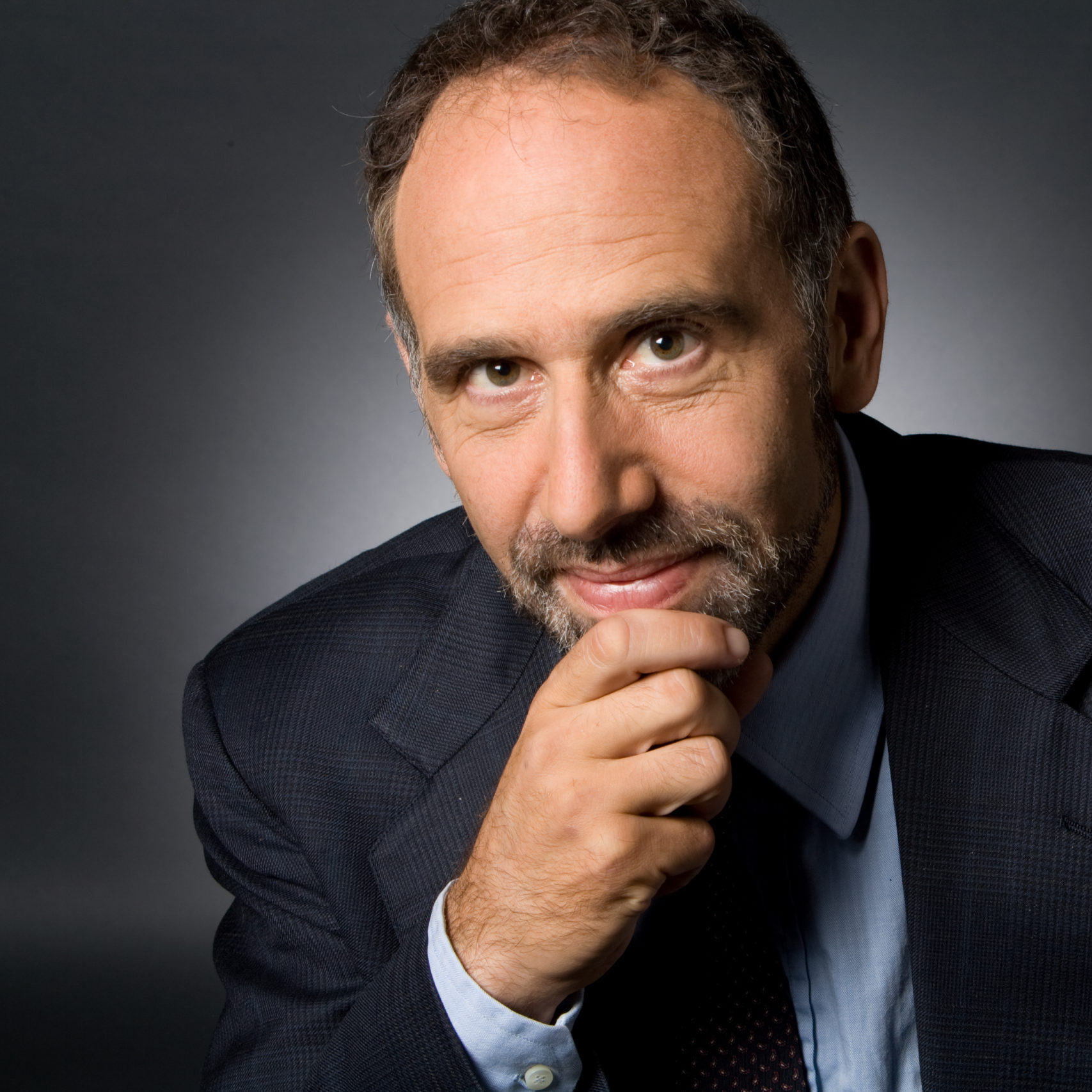
Dean Baker co-founded CEPR in 1999. His areas of research include housing and macroeconomics, intellectual property, Social Security, Medicare, and European labor markets. His blog, Beat the Press, provides commentary on economic reporting. His analyses have appeared in many major publications, including The Atlantic, The Washington Post, the Financial Times (London), and the New York Daily News. Dean received his BA from Swarthmore College and his PhD in economics from the University of Michigan.
Dean has written several books, including Getting Back to Full Employment: A Better Bargain for Working People (with Jared Bernstein, Center for Economic and Policy Research, 2013); The End of Loser Liberalism: Making Markets Progressive (Center for Economic and Policy Research, 2011); Taking Economics Seriously (MIT Press, 2010), which thinks through what we might gain if we took the ideological blinders off of basic economic principles; and False Profits: Recovering from the Bubble Economy (PoliPoint Press, 2010), about what caused — and how to fix — the 2008–2009 economic crisis. In 2009, he wrote Plunder and Blunder: The Rise and Fall of the Bubble Economy (PoliPoint Press), which chronicled the growth and collapse of the stock and housing bubbles and explained how policy blunders and greed led to catastrophic — but completely predictable — market meltdowns. He also wrote a chapter (“From Financial Crisis to Opportunity”) in Thinking Big: Progressive Ideas for a New Era (Progressive Ideas Network, 2009). His previous books include The United States Since 1980 (Cambridge University Press, 2007), The Conservative Nanny State: How the Wealthy Use the Government to Stay Rich and Get Richer (Center for Economic and Policy Research, 2006), and Social Security: The Phony Crisis (with Mark Weisbrot, University of Chicago Press, 1999). His book Getting Prices Right: The Debate Over the Consumer Price Index (editor, M.E. Sharpe, 1997) was a winner of a Choice Book Award as one of the outstanding academic books of the year.
Among his numerous articles are “The Benefits of a Financial Transactions Tax,” Tax Notes 121, no. 4 (2008); “Are Protective Labor Market Institutions at the Root of Unemployment? A Critical Review of the Evidence” (with David R. Howell, Andrew Glyn, and John Schmitt), Capitalism and Society 2, no. 1 (2007); “Asset Returns and Economic Growth,” with Brad DeLong and Paul Krugman, Brookings Papers on Economic Activity (2005); “Financing Drug Research: What Are the Issues,” Center for Economic and Policy Research (2004); “Medicare Choice Plus: The Solution to the Long-Term Deficit Problem,” Center for Economic and Policy Research (2004); “Professional Protectionists: The Gains From Free Trade in Highly Paid Professional Services,” Center for Economic and Policy Research (2003); and “The Run-Up in Home Prices: Is It Real or Is It Another Bubble?,” Center for Economic and Policy Research (2002).
Dean previously worked as a senior economist at the Economic Policy Institute and an assistant professor at Bucknell University. He has also worked as a consultant for the World Bank, the Joint Economic Committee of the US Congress, and the OECD’s Trade Union Advisory Council. He was the author of the weekly online commentary on economic reporting, the Economic Reporting Review, from 1996 to 2006.
All from Dean Baker
Affordability and an Abundance Agenda for Health Care
Despite strong wage growth, rising out-of-pocket health care costs are fueling affordability concerns, highlighting the need for reforms to lower drug prices, doctor pay, and insurance bureaucracy.

When Pete Hegseth Says “Lethality” He’s Talking About Killing Iranian School Girls
Relaxed rules of engagement under Pete Hegseth are blamed for increasing civilian casualties, including a deadly strike on an Iranian girls’ school.

Trump Crazy Stock Returns Won’t Finance Your Retirement
Promises that $1,000 “Trump accounts” will grow into huge retirement fortunes rely on an implausible 10 percent stock return that today’s high price-to-earnings ratios make impossible to sustain.

Cracking Down on Corporate Tax Scams
Corporate tax avoidance schemes reduce effective tax rates far below the statutory level, but requiring firms to give the government non-voting shares could largely eliminate these scams.

February 2026 CPI Preview: What to Expect
The year-over-year inflation rate for February is likely to inch higher, which should not be cause for concern. The war in Iran could change that picture.
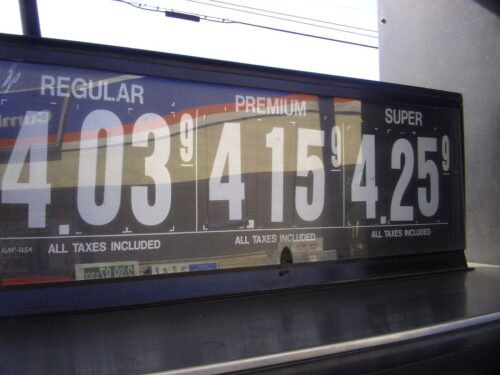
The Winning and Losing Countries from High Oil Prices: It’s Not Just Who Has the Oil
Rising oil and gas prices function like a tax on consumers, and despite strong domestic production, US households still face major costs from higher energy prices.

Bad Jobs Report: Blame It on the Weather
February’s job losses may partly reflect unusually mild January weather, but the three-month trend shows weak job growth and signs of a slowing labor market.
Economy Sheds 92,000 Jobs as Unemployment Edges Up to 4.4 Percent
The job loss reported for February, together with the downward revisions for the prior two months, is unambiguously bad news, and the three-month average is still weak — more signs of a labor market that is not doing well.

Drugs are Cheap if Patents Don’t Make Them Expensive: The Medicines for the People Act
Publicly funded drug research—like the system proposed in Rep. Rashida Tlaib’s bill—could replace patent monopolies, reducing prices and corruption while still supporting innovation.

Little Boy Trump Goes to War
Trump’s Iran war has been marked by shifting rationales, little preparation, and growing economic and geopolitical risks for the United States and its allies.
