Article • Data Bytes
February 2026 CPI Preview: What to Expect
Article • Data Bytes
The overall CPI rose 0.2 percent in January, while the core index increased 0.3 percent. This brought the year-over-year increase in the overall and core CPI to 2.4 percent and 2.5 percent, respectively. We have been getting good news recently on inflation in a number of areas, most notably gas prices, which hit a new low for the pandemic recovery in January.
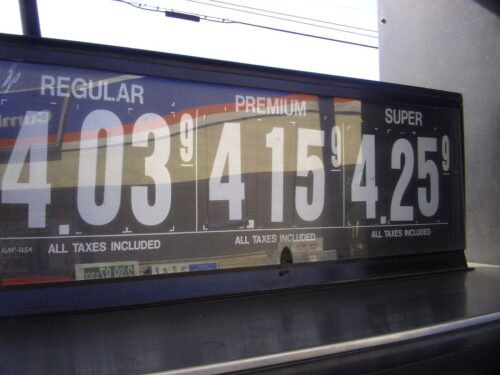
The story with gas prices has turned with the run-up to the war with Iran, and now the actual outbreak of war. It also seems like there is increased price pressure at the wholesale level with both the Producer Price Index and the index for non-fuel import prices rising 0.5 percent in January. It is likely the overall CPI will rise 0.3-0.4 percent in February, and the core index will rise 0.3 percent.
The most notable item pushing inflation higher in February will be gas prices. They hit a pandemic recovery low in January and then began to drift upward. The rise picked up steam as concerns about the war grew, and the actual start of the war at the end of the month. By the end of the month gas prices were about 8 percent higher than the low hit in mid-January. The average for the month will be close to 4 percent above the January average, adding roughly 0.1 percentage points (p.p.) to the inflation rate for the month.
The cost of electricity actually fell 0.1 percent in January. This is likely an anomaly. Electricity prices are up 6.3 percent over the last year, driven largely by the increased demand from data centers. We will likely get back on this upward path in February, with prices rising 0.5-0.6 percent.
Food prices rose 0.2 percent in January and were up 2.1 percent over the last year. There should be good news on food prices again in February. In the final goods category of the Producer Price Index (PPI), food prices actually fell 0.3 percent in January. Much of this was an extraordinary 63.9 percent reported decline in egg prices for the month. This is the unraveling of the price increases due to the avian flu epidemic from last year. It’s not likely that this price decline will be fully passed along at the retail level, so we probably will not see falling food prices overall.
There still are categories where food prices are rising. Cereals and baked goods’ prices rose 1.2 percent in January and are up 1.2 percent over the last year. Milk prices rose 0.4 percent in January but have only risen 0.3 percent over the last year. Coffee prices fell 0.9 percent in January but are still up 18.3 percent over the last year. We are unlikely to see another drop in February. Coffee prices have been consistently rising in the PPI and are up 24.7 percent over the last year.
Inflation in both the rental indexes is back to its pre-pandemic pace. Both indexes rose 0.2 percent in January, with the rent proper index up 2.8 percent and the owners’ equivalent rent index 3.3 percent over the last year. Both will likely come in at 0.2 percent in February. The general direction for the rental indexes will continue to be downward as the inflation rate for units that change hands is close to zero or even negative in private indexes, as well as the BLS new tenant index.
Inflation in non-shelter services, which accounts for 28.7 percent of the overall CPI, rose 0.3 percent in January and was up 3.4 percent over the last year. The data for February is likely to be similar.
There was somewhat of a shock a couple of weeks ago when the service category of the PPI for January rose 0.8 percent. This was likely an anomaly, but there continue to be inflationary pressures in the major categories of services. Inflation in medical services was 0.3 percent in January and has risen 3.9 percent over the last year. Restaurant prices rose just 0.1 percent in January but are up 4.0 percent over the last year.
The index for transportation services rose 1.4 percent in January, but it is up just 1.3 percent over the last year. The January rise was driven by an extraordinary 6.5 percent jump in airfares in the month. This surely will not be repeated in February and may be partially reversed.
On the other side, the index for car insurance, which accounts for 2.8 percent of the overall CPI (more than three times the weight of airfares), fell 0.4 percent in January. This index had been rising at double digit rates in 2022-24, due to factors like more expensive cars and climate change related damages. These problems have not gone away, so this index will likely resume its climb, although perhaps not in February.
While it’s clear that exporters have not eaten any substantial share of the Trump tariffs, much of it has not been passed on to consumers. The price of these goods — things like appliances, clothes, and furniture — had been falling in 2024, but then rose modestly in 2025 in response to the tariffs, although far less than the full amount of the tariffs.
It looks like retailers were catching up, with core goods prices rising 0.4 percent in January. The Supreme Court’s tariff decision came down last month but probably had no impact on prices for January. Furthermore, with Trump imposing a new set of tariffs, it’s not clear there would be any downward movement in any case. There will likely be another rise in the price of these goods in February, but probably close to 0.2 percent.
The year-over-year inflation rate for February is likely to inch higher to 2.6 or 2.7 percent for both the overall and core indexes. This is not an upward trend, but rather the reversal of an anomalous reading for January. There is no basis for concern here about spiraling inflation, although the war in Iran could change that picture.
As before, if the Fed wants a moderate and stable inflation rate, we are there. But if it wants to see inflation back at its 2.0 percent target, we remain above it, with no obvious trend in that direction.
Article

Article

Article
Article

Article
Article

Article

Article