

Lara is a senior research fellow at CEPR. She has previously worked at Boston University’s Global Development Policy Center and as an advisor for the International Trade Union Confederation, which represents over 200 million workers worldwide. Her past projects include co-founding and managing Economic Questions, a pluralist economics blog where she was both an editor and contributor.
Lara is a dual citizen of the US and Romania, holds a BA in mathematics from Bard College and an MS in economic policy and theory from the Levy Economics Institute of Bard College, and is now finishing her PhD dissertation at the Bucharest University of Economic Studies (ASE Bucuresti). Lara’s research interests include issues around sovereign debt, industrial policy, sustainable development, and policies that can support a just transition to a net-zero economy. Her work frequently engages with the devastating social and economic effects of austerity policies and the logical fallacies that underpin these policies. Her work has been featured by media outlets such as Reuters, BBC, NPR, Al Jazeera, The Intercept, openDemocracy, Vox, and The Hill.
All from Lara Merling
The Rising Cost of Debt: An Obstacle to Achieving Climate and Development Goals
Explore the relationship between climate change and debt in developing countries. Understand how rising debt costs are adding to their vulnerabilities.
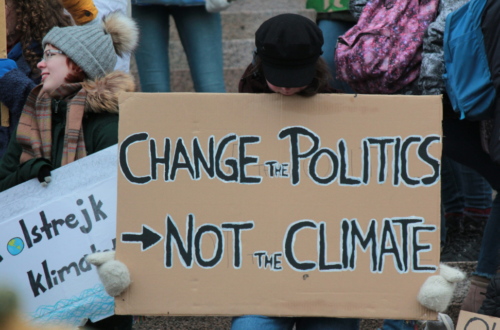
The Growing Debt Burdens of Global South Countries: Standing in the Way of Climate and Development Goals
Nearly 80 low- and middle-income countries are considered by international institutions as being in or at risk of debt distress.

Special Drawing Rights: The Right Tool to Use to Respond to the Pandemic and Other Challenges
Evidence from the Recent $650 Billion Allocation of Special Drawing Rights Shows Countries Made Social and Economic Gains, Supports An Additional Allocation in the Near Future

Developing Countries Need IMF Funds Now, Not Later
Supporting an SDR issuance costs nothing for wealthy countries. Denying developing countries much-needed support costs too much.

Ecuador’s New Loan Program: A Tale of Two IMFs
The IMF should be focused assisting governments with the expansion of progressive and corporate taxation and helping all countries coordinate stimulus measures for jobs and sustainable development, not continuing to push harmful austerity.
We Can’t Trust the IMF and World Bank to Lead the COVID-19 Recovery
Despite decades of protests against them, the IMF and World Bank continue to force the same discredited neoliberal policies on poor governments and their people. Countries in economic distress desperately need alternative sources of aid that won’t demand
Without an Economic Recovery, Argentina Cannot Repay Its Debt

After the Argentina Debacle, the IMF Endorses Weakening Capital Controls in Ecuador
Over the past year, a rebranded International Monetary Fund (IMF) returned to Latin America with promises of loan agreements that would be different than the dreaded “structural adjustment programs” of the past.
Sovereign Debt Restructuring: Not Falling Prey to Vultures
The international community should finally agree to a fair sovereign debt workout mechanism that prevents the interests of creditors and a broken system from hindering human and national development.
IMF Framework on Social Spending Out of Step with International Standards
Lara MerlingBretton Woods Project, July 30, 2019