
Ivana Vasic-Lalovic
Senior Research Associate
Senior Research Associate
Ivana is a senior research associate at CEPR. Her work is focused on issues in the international financial architecture, the International Monetary Fund, and the intersection of the debt and climate crises in the Global South.
Previously, she worked as a data analyst and researcher in the international development and social protection fields. She is a passionate anti-war activist.
Ivana holds a Master of Public Administration from Columbia University’s School of International and Public Affairs, where she studied economic and political development, and a BA in international relations from the University of Pennsylvania.
Her research, articles and op-eds have been published by Development, Foreign Policy, The Hill, and The Bretton Woods Observer, among others.
Despite deepening divisions within NATO, member states have committed to raising military spending to 5 percent of GDP by 2035. As governments face mounting pressure to rearm, growing political and public opposition is questioning the social and economic costs of the alliance’s agenda.

The escalating US–Israeli war on Iran has triggered one of the largest energy supply shocks in modern history, hitting developing economies the hardest. A rapid, large-scale issuance of Special Drawing Rights (SDRs) by the IMF could provide immediate, cost-free relief—boosting reserves, stabilizing economies, and helping countries maintain access to essential imports.
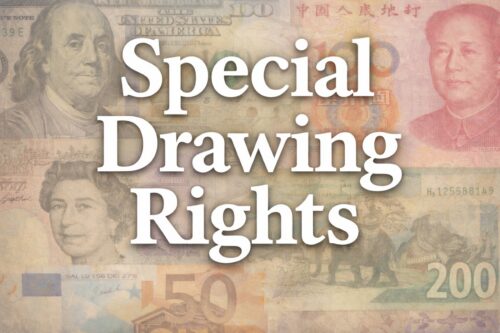
Developing countries face escalating debt burdens, higher borrowing costs, and climate pressures, highlighting the need for systemic reform.
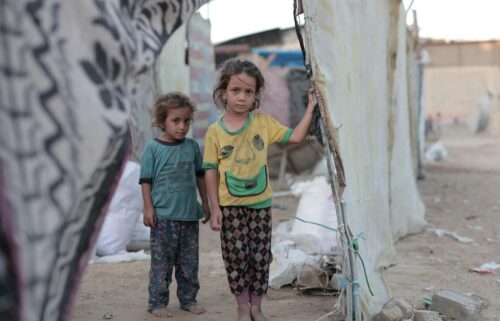
We’ve launched a dashboard to track the debt distress and climate vulnerability of low- and middle-income countries around the world. The new tool is a response to concerns over the growing debt and climate crises affecting many countries in the Global South.
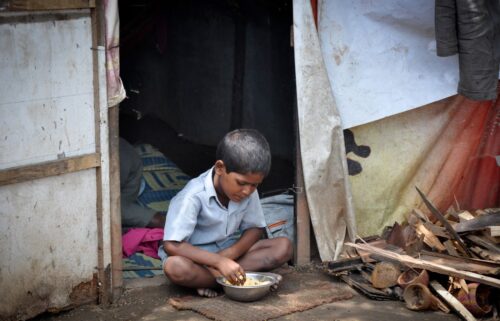
In an article published in Phenomenal World, CEPR’s Alex Main and Ivana Vasić-Lalović explain how Venezuela lost access to its SDRs, and how unfreezing them could help set the country on a path to economic recovery.
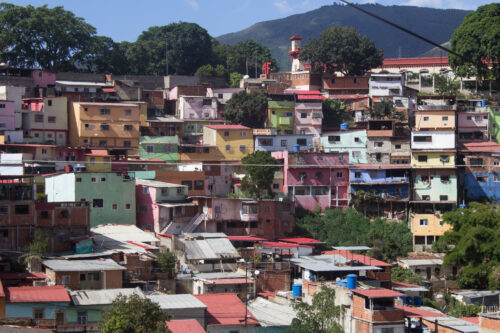
Since President Xiomara Castro has been in office, Poverty has come back down to pre-pandemic levels, inequality is continuing its downward trend, unemployment is at a decade-low, both public and private investment has reached new heights, and the country finds itself in a more sustainable economic position with low external debt.
With prices at record highs, the IMF should use its gold reserves to fund much-needed support for developing countries.

A new CEPR report projects that up to over a hundred-thousand US jobs could be saved were the International Monetary Fund to make a new major allocation of Special Drawing Rights, like it did in 2021.

A new CEPR report projects that up to over a hundred-thousand US jobs could be saved were the International Monetary Fund to make a new major allocation of Special Drawing Rights, like it did in 2021.
Explore the consequences of IMF surcharge reforms. Find out how changes to the fees levied by the International Monetary Fund affect borrowing costs.