
Press Release
CEPR Calls for a Full Lifting of Sanctions in Response to Venezuela Earthquakes
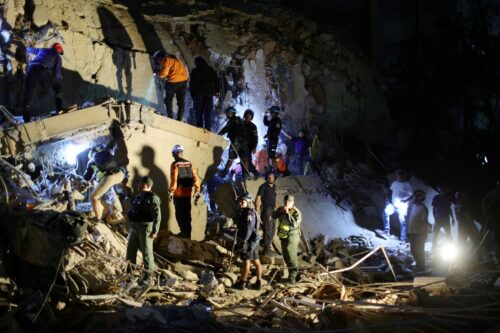
CEPR is calling for the US and other countries to lift all sanctions against Venezuela in the wake of Wednesday’s devastating earthquakes.
Press Release
CEPR is calling for the US and other countries to lift all sanctions against Venezuela in the wake of Wednesday’s devastating earthquakes.
Article • Mark Weisbrot’s Columns
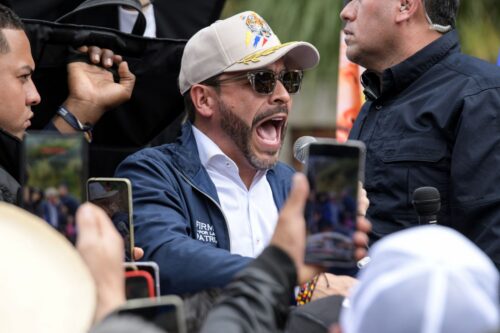
President Trump’s endorsement of Colombian presidential candidate Abelardo De la Espriella is more than an unusual intervention in a foreign election. It raises the prospect of a close alliance between two leaders who favor militarized approaches to security and governance, with potentially far-reaching consequences for Colombia’s peace process, social progress, and political future.
Article • Dean Baker’s Beat the Press
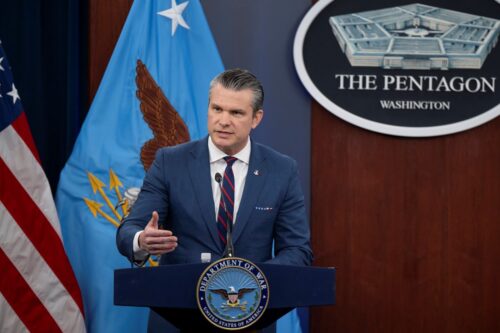
Trump’s war with Iran achieved little beyond terms already contained in the Obama-era nuclear agreement while exposing strategic failures and imposing significant human and economic costs.
Article
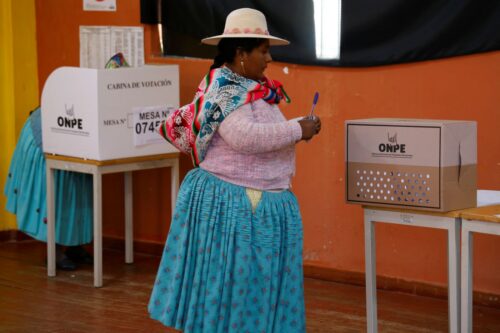
Peruvians will head to the polls on June 7 for a high-stakes presidential runoff between far-right candidate Keiko Fujimori and left-wing candidate Roberto Sánchez. With polls showing a tight race, concerns over electoral integrity, and memories of years of political instability still fresh, the vote could have significant implications for Peru’s political future.
Article
Colombians vote this Sunday in the first round of their 2026 presidential election, choosing a successor to leftist President Gustavo Petro. Frontrunner Senator Iván Cepeda faces right-wing rivals Abelardo de la Espriella and Paloma Valencia in what is widely seen as a referendum on Colombia’s first-ever left-wing presidency. Read on for a full breakdown of the candidates, key issues, and election concerns — with live updates from CEPR observers on the ground.

Press Release
A new poll by YouGov finds that 64 percent of Americans oppose the US going to war against Cuba, while 15 percent support it and 21 percent are not sure.
Press Release
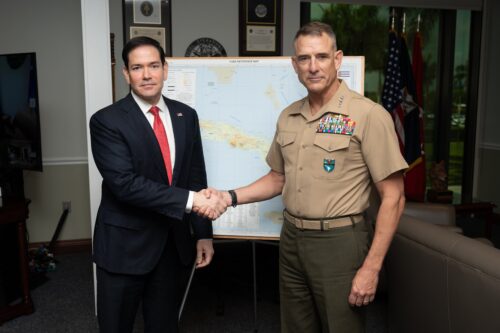
A new CEPR report finds that the expansion of US sanctions against Cuba beginning in 2017 were likely the primary cause of a major increase in infant mortality in Cuba.
Article • Dean Baker’s Beat the Press
Trump’s apparent disregard for the predictable consequences of striking Iran could drive energy shocks, food crises, and widespread suffering that put millions at risk worldwide.
Press Release
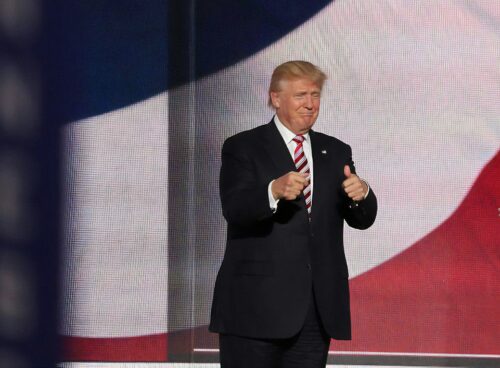
Observers from the Center for Economic and Policy Research (CEPR) are urging calm in Lima following a disrupted election marked by delays, incomplete vote counts, and a highly fragmented field of candidates. With only partial results available and logistical issues affecting polling stations, experts warn against premature fraud claims as candidates like Keiko Fujimori appear headed for a runoff amid a tight and uncertain race.
Article • Mark Weisbrot’s Columns
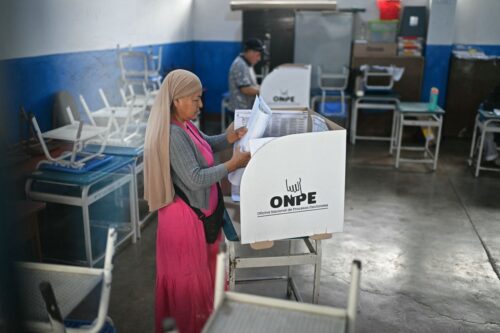
US sanctions and the ongoing blockade of Cuba are causing deadly shortages and harming civilians, potentially qualifying as war crimes under the Fourth Geneva Convention. New legislation and legal debates are now challenging the constitutionality and human cost of these measures.
