Most people believe that higher-income people should bear a larger share of the country’s tax burden than low and middle-income people. This is especially true now, since higher-income households have gotten a disproportionate share of the gains from economic growth over the last half-century.
However, the federal tax system has become far less progressive over this period:
Tax rates on the rich and corporations have fallen sharply over the last 60 years. In the 1950s, single individuals faced a marginal tax rate of 91 percent on income above $2 million in today’s dollars. In 2026, the top tax rate is 37 percent on income above $630,000 for single individuals.
The corporate income tax was 48 percent until the late 1970s. The corporate tax rate has been lowered repeatedly, and was lowered to 21 percent in 2017.
Loopholes allow many individuals and corporations to pay considerably lower tax rates. For example, some of the richest people in the country are partners in private equity or hedge funds. These people have most of their earnings taxed at the lower 20 percent capital gains tax rate. Due to effective gaming strategies, corporations pay on average less than 13 percent of their profits in taxes.
Solutions: Raise Tax Rates on the Wealthy and Corporations and Make Them Collectable
The tax rate for the highest income people could be raised to 50 percent with little, if any, negative impact on the economy.
The top capital gains tax rate can also be raised from its current 20 percent to 30 percent, with unrealized gains also subject to the tax.
The corporate income tax can be raised to 25 percent, which is still 10 percentage points below its pre-Trump rate.
To ensure the government actually collects the corporate income tax, companies can be required to give the government non-voting shares equal to 25 percent of its outstanding stock. These shares would be treated like any others, except for being non-voting.
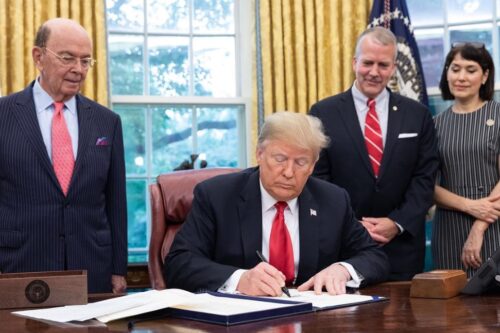
The I.R.S. has been badly underfunded for more than a decade. The Biden administration boosted funding, but Trump reversed the increase. Restoring funding levels and modernizing the system will pay for itself many times over
Most Americans, including most Republicans, support higher taxes on the rich and corporations.
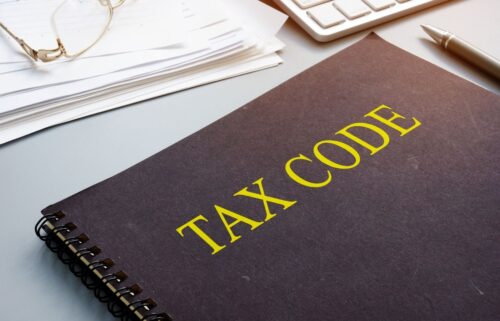
There is little doubt that the current tax code collects a far smaller share of the income of rich people or corporate profits than was the case 60 years ago. There is substantial demand for increased government services, such as health care, childcare, and education. We will likely need additional taxes to offset the cost. Since the rich have been the big winners from the economy over the last half-century, it makes sense that they would cover much of the cost. The overwhelming majority of the public agrees that taxes on the wealthy and corporations should be increased.