Article • Expose the Heist: Power and Policy in Unprecedented Times
Many Deserving Low-Wage Workers Lose Out Under New Trump Rule

Article • Expose the Heist: Power and Policy in Unprecedented Times
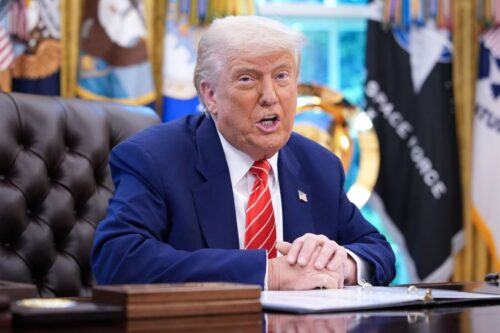
This month, the Department of Labor issued adjustments that set a new minimum wage for federal contractors at $13.65 (effective May 2026). This change followed President Trump’s executive order in March 2025, which replaced the Biden-era rule that raised the minimum to $15 and reached $17.75 by January 2025. This change appears to revert the minimum wage to levels similar to those at the end of the Obama administration, where it was adjusted over time to approximately $13.30 by 2026.
This decision jeopardizes the economic security and well-being of low-wage private-sector workers who are employed by federal contractors. Analysts note that these changes disproportionately affect low-wage, non-college-educated workers, including those in federal contract positions such as food service, security, maintenance, janitorial services, certain health care roles in government facilities, and technical support.
The rollback highlights a real decline in earnings power and threatens income stability for hundreds of thousands of workers. Earlier estimates by the Economic Policy Institute indicate that up to 390,000 low-wage federal contract workers would have received a raise under the Biden administration’s rate. About half of these workers are women, and roughly half are Black or Hispanic.
The new rule represents an estimated 24 percent, about $4 per hour, wage cut that would cause a significant economic shock to affected workers. For someone working 40 hours per week, this equates to roughly $688 less per month compared to the previous rate of $17.75 before President Trump’s March 2025 executive order. This amount is comparable to the average monthly grocery cost for a two-adult household with a low-cost to moderate food plan in 2025 or the combined cost of a typical car payment and insurance.
The pay cut is significant for full-time workers as they may lose several thousand dollars each year that would otherwise contribute to the costs of healthcare, housing, and/or child care expenses. Research has documented that income shocks are associated with more volatile spending, difficulty affording medical costs, and increased reliance on high-cost debt such as payday loans and overdrafts.
While the impact may be smaller for workers in higher-wage states, repealing the $17.75 federal standard would mainly affect contractor jobs that pay above state minimums, particularly in regions where minimum wages range from $7.25 to $13, such as Texas, South Carolina, and Pennsylvania. Many contractor workers in lower-wage states could lose significant earnings premiums, which may negatively affect local economies, exacerbate income instability, increase reliance on safety net programs, and worsen regional economic disparities.
Ensuring worker economic security requires wage standards that reflect current living costs rather than outdated benchmarks. For decades, productivity growth has exceeded wage growth. Stronger wage protections can better align pay with productivity, enhance the dignity of work, and promote economic stability. At a broader level, a higher wage floor can reduce job churn and turnover, improve firm efficiency, strengthen local economies, and ease the burden on taxpayers.
Article

Article

Article

Article
Article
Article

Article
Article