Menu

Iran


Topics

Regions

Advanced Filters

Close

Filters

Format

Series

Language

Authors

Date
Start Date

End Date

Clear Filters 64 Results

64 Results

Sanctions Watch (June 2026)

Sanctions Watch (June 2026)

The US waives oil sanctions and agrees to “terminate all” sanctions as part of a potential final agreement with Iran, as the Trump administration re-tightens restrictions on Russian oil sales and the G7 pushes for additional sanctions on Moscow.
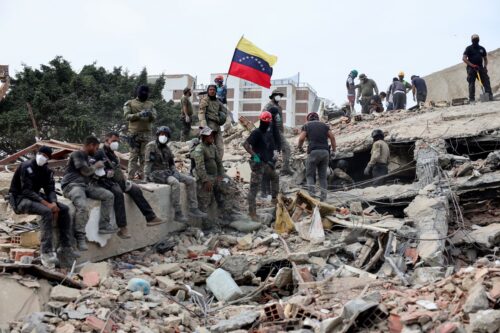
CARABELLADA, VENEZUELA - JUNE 28: Rescuers search for victims at a collapsed building as one raises a Venezuelan flag following a magnitude 7.2 earthquake that struck Venezuela and other regions in the Caribbean, on June 28, 2026 in Carabellada, La Guaira, Venezuela. According to the U.S. Geological Survey (USGS), the main earthquake on June 24, 2026 was followed by a 7.5-magnitude aftershock less than a minute later. The number of fatal victims increased to more than 1000, while the number of injured people exceeded 3,000. More than 70,000 people are reported missing. (Photo by Jesus Vargas/Getty Images)
Trump’s Ignorance Could Kill Millions

Trump’s Ignorance Could Kill Millions

Trump’s apparent disregard for the predictable consequences of striking Iran could drive energy shocks, food crises, and widespread suffering that put millions at risk worldwide.

By Dean Baker

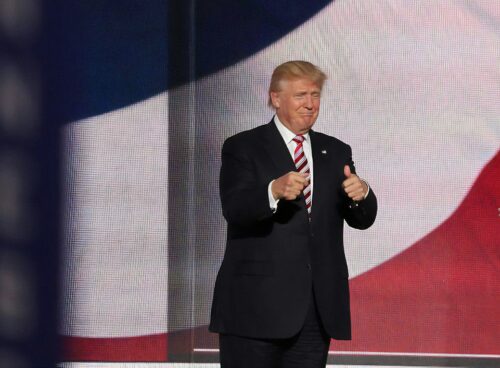
Donald Trump giving a thumbs up in front of an American flag being projected on a large screen.
War-Torn Global Economy Needs IMF Emergency Assistance

War-Torn Global Economy Needs IMF Emergency Assistance

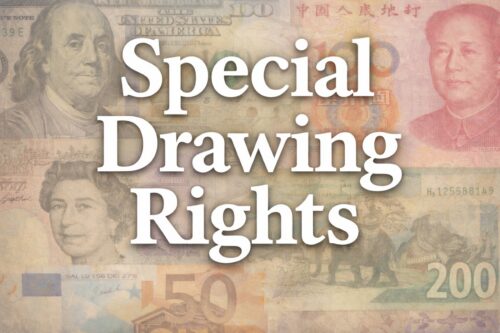
The escalating US–Israeli war on Iran has triggered one of the largest energy supply shocks in modern history, hitting developing economies the hardest. A rapid, large-scale issuance of Special Drawing Rights (SDRs) by the IMF could provide immediate, cost-free relief—boosting reserves, stabilizing economies, and helping countries maintain access to essential imports.

Text
CEPR Sanctions Watch March 2026

CEPR Sanctions Watch March 2026

Trump administration allows limited Iranian and Russian oil sales, and eases certain Venezuela sanctions. Meanwhile, the US blockade on Cuba chokes the island’s economy and population, a policy that recent polling indicates many US Americans oppose.

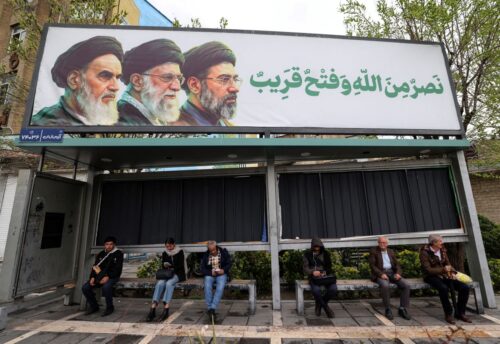
Iranian sit at bus stop beneath a billboard depicting Iran's late supreme leader Ayatollah Ruhollah Khomeini (L), his successor the late Ayatollah Ali Khamenei (C) and the new supreme leader Mojtaba Khamenei in Tehran on March 31, 2026. US and Israeli strikes hit military facilities in central Iran, damaged a major religious site in the northwest and provoked power cuts on March 31, after the US president threatened to blow up the country's oil and energy plants. (Photo by ATTA KENARE / AFP via Getty Images) /
$200 Billion: The Costs of the Iran War

$200 Billion: The Costs of the Iran War

The Trump administration reportedly wants $200 billion for its war on Iran. Over the past year, they have cut spending — mostly on health care and food assistance — equal to that amount.

By Peter Hart

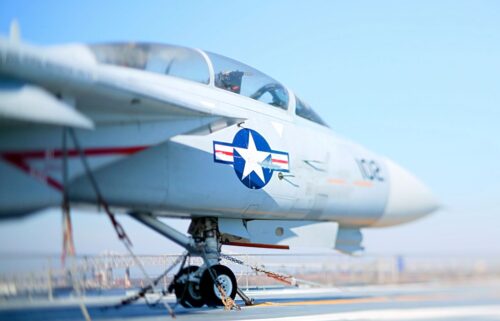
A military jet with a US Air Force emblem rests on a runway. The aircraft is secured with chains. The sky is clear, creating a calm atmosphere.
What Donald Trump’s Iran “Excursion” Cost Our Former Allies

What Donald Trump’s Iran “Excursion” Cost Our Former Allies

The war with Iran is portrayed as an economic shock to US allies—raising energy costs, straining economies, and offering little clear benefit—undermining claims that other countries should be thankful for the conflict.

By Dean Baker

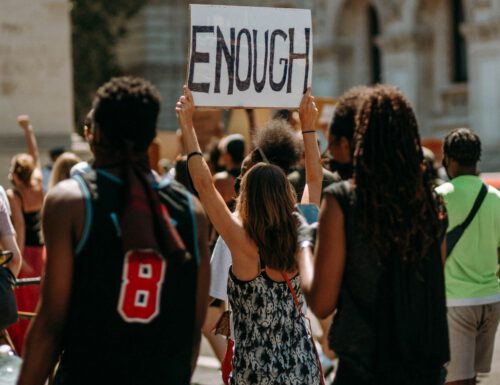
A diverse group of students at a protest against student debt with one individual prominently holding up a sign that reads