
Article • Expose the Heist: Power and Policy in Unprecedented Times
FEMA’s Unchanged Hurricane Plan Amid Staff Cuts is a Risky Gamble
Article • Expose the Heist: Power and Policy in Unprecedented Times
In May 2024, FEMA Deputy Administrator Erik A. Hooks joined the heads of the National Oceanic and Atmospheric Administration (NOAA) and the National Weather Service (NWS) to announce the Atlantic Hurricane Season outlook and the agencies’ plans for preparing for what would become an extremely destructive season. Almost exactly a year later, FEMA’s newly appointed head, David Richardson, announced, “Here’s the guidance,” adding, “It’s the same as it was last year.”
That’s a problem. It’s a little like sticking to your 2024 household budget without taking into account that you lost your job. And for many federal employees in 2025, that is undoubtedly the case.
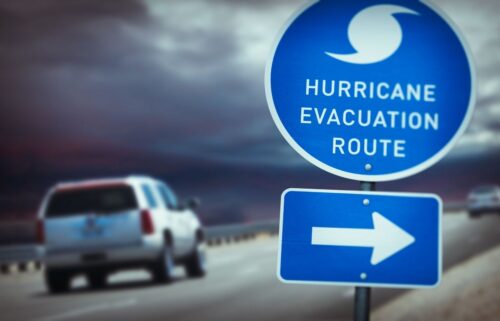
Last year, NOAA predicted above-normal hurricane activity in the Atlantic basin, and that prediction came true with 18 named storms, 11 of which were hurricanes and five intensified to major hurricanes. Of those major hurricanes, Helene was named the deadliest storm since Katrina, and Milton caused $34.3 billion in damages, almost exclusively to Florida. This year, NOAA is predicting another above-normal season, with 70 percent confidence of a repeat of last year’s number of named storms and hurricanes.
Richardson’s confidence that last year’s guidance can work yet again ignores a huge issue: the agency’s capability to carry out its responsibilities after Trump and DOGE have dismantled vital parts of the federal government. For instance, part of hurricane season planning includes funding community resilience projects through programs such as the Building Resilient Infrastructure and Communities (BRIC) program. The Trump Administration killed that program in April.
Another part of planning involves public education outreach and coordination campaigns among federal, state, and local governments. However, FEMA — which was already chronically understaffed and underfunded — will struggle to meet its goals. Since January, the agency has eliminated roughly 2,000 full-time staff members, either through termination or voluntary resignation. These cuts represent one-third of the agency’s total workforce. FEMA has also significantly reduced training for state and local emergency personnel, raising concerns about their readiness.
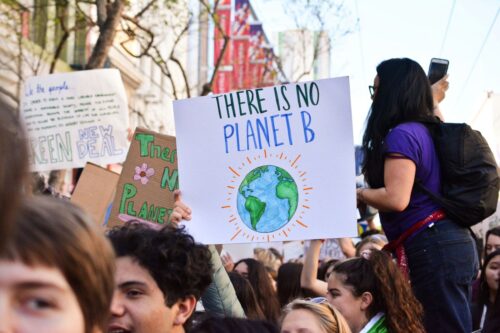
NOAA and the NWS have undergone similar cuts. Layoffs and buyouts at NOAA have resulted in a reduction of approximately 20 percent of the staff, and the NWS has lost over 550 employees since the beginning of the year — a 10 percent staff reduction. And this is just the beginning. The administration is in the process of reviewing how to dismantle FEMA, and proposed budget cuts will further target NOAA, aiming to slash funding by almost 30 percent. These cuts include the termination of several research, data, and grant programs focused on climate issues, which the administration has absurdly classified as “Green New Deal” initiatives.
Even Trump’s actions toward survivors of last year’s extreme hurricane season are a grim predictor of the administration’s vision of disaster response. In North Carolina, the Biden administration allocated a 100 percent federal match for post-Helene disaster cleanup funds, covering the state’s share of expenses. Last month, the Trump administration denied a request to extend the cost-sharing, putting additional burden on the state for recovery projects. This action followed a similar denial to the state of Georgia in February.
So how are these agencies with fewer resources and smaller staffs supposed to respond to yet another above-normal hurricane season? It’s June, so we are about to find out. Trump and DOGE believe they are saving the government money by dismantling these agencies and their programs, but in the long run, these decisions are going to cost more money and lives.
Article
Article

Article

Article
Article
Article

Article
Article