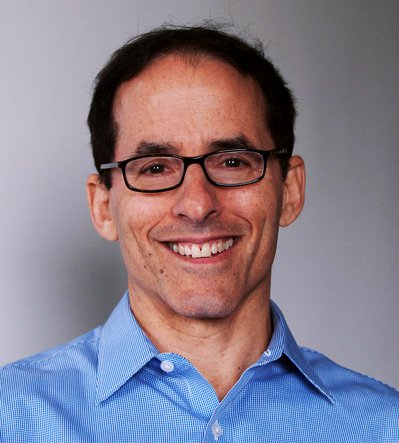
Mark Weisbrot
Senior Economist and Co-Director, Center for Economic and Policy Research
- [email protected]
- 202-293-5380 x122
Senior Economist and Co-Director, Center for Economic and Policy Research
Mark is a Senior Economist and Co-Director of CEPR. He received his PhD in economics from the University of Michigan. He is author of the book Failed: What the “Experts” Got Wrong About the Global Economy (Oxford University Press); is coauthor with Dean Baker of Social Security: The Phony Crisis (University of Chicago Press); and has written numerous research papers on economic policy.
His opinion pieces have appeared in The New York Times, The Washington Post, the Los Angeles Times, The Guardian, and almost every major US newspaper as well as in Brazil’s largest newspaper, Folha de São Paulo. He appears regularly on national and local television and radio programs.
The Hill: The Senate Majority Leader needs to move quickly to allow Senators to vote on this massively popular legislation with a real chance of passage.
The Sacramento Bee: What is the Republican Party today? Any answer has to start with Donald Trump, who has a grip on the Republican Party that is perhaps unprecedented in the modern era.
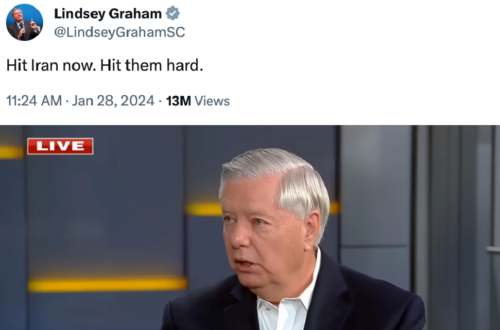
Time: When a drone strike from an Iran-backed militia killed three US servicemembers and wounded at least 25 others in Jordan on January 28, pressure grew considerably for the White House to escalate US military involvement in the conflict in the Middle East.

Miami Herald: For months now, there have been news reports that the Biden administration has been trying to prevent the war in Gaza from expanding into a wider war in the region.
In Memory of Robert Solow
Counterspin: Janine Jackson, author, program director, and producer/host of FAIR’s syndicated weekly radio show Counterspin, interviewed Mark Weisbrot, economist and CEPR co-director, on Javier and the Argentine presidential election.

Albuquerque Journal: Extremist foreign policy is both a product of our corrupt political system, and a powerful force in its perpetuation.
Common Dreams: Ecuador’s presidential candidates represent opposing sides of the policy choices, goals, values, and interests that brought about the sharply contrasting results of the two preceding episodes.

San Jose Mercury News: The 2024 election could determine how much we can fix problems, or whether we move backward toward increasing inequality of income, wealth, and access to education.

Chicago Tribune: What would happen if anyone other than Trump were to win the Republican primary? Would Trump accept the result, or would we see a repeat of “stop the steal?”