
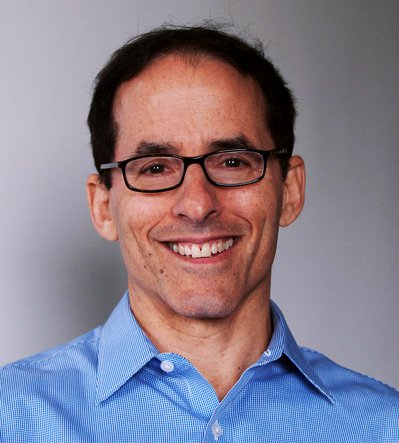
Mark Weisbrot
Senior Economist and Co-Director, Center for Economic and Policy Research
- [email protected]
- 202-293-5380 x122
Senior Economist and Co-Director, Center for Economic and Policy Research
Mark is a Senior Economist and Co-Director of CEPR. He received his PhD in economics from the University of Michigan. He is author of the book Failed: What the “Experts” Got Wrong About the Global Economy (Oxford University Press); is coauthor with Dean Baker of Social Security: The Phony Crisis (University of Chicago Press); and has written numerous research papers on economic policy.
His opinion pieces have appeared in The New York Times, The Washington Post, the Los Angeles Times, The Guardian, and almost every major US newspaper as well as in Brazil’s largest newspaper, Folha de São Paulo. He appears regularly on national and local television and radio programs.
The Nation: It makes no sense for Treasury to block aid, which can save hundreds of thousands of lives in the world, as well as jobs in the US– all at zero cost to the US budget.

The Guardian: The debt ceiling fight was never really about debt reduction. It’s part of a vicious cycle in which political power is abused in order to consolidate a system that is increasingly undemocratic.

On May 19, 2023, the Center for Economic and Policy Research (CEPR) brought together leading experts in the study of economic sanctions to help to answer a critical, but often-ignored, question: What are the human consequences of US economic sanctions?

The Buffalo News: Here are eight predictions for the coming year, in accordance with a hallowed tradition that I have previously not honored.

The Los Angeles Times: The way inflation is looking these past five months, the Fed should take a break from its interest rate hikes before it causes the next recession.

The Miami Herald: Companies must respond and take action when violations are called to their attention.

Common Dreams: Those who care about democracy in Brazil will have to keep a watchful eye on what the United States government is doing in the months and years ahead.

The Hill: The IMF has $1 trillion in lending capacity. There is no excuse for taking this money at a time when tens of millions of people in the countries that must pay it are facing increasing adversity.

MSN News: Two months from this Labor Day, members of unions, as well as working people throughout the country, will have some important choices to make in our national elections.

The recently passed Inflation Reduction Act (IRA) will be signed today by President Biden. The act will reduce the costs of health care, prescription drugs, and home energy bills while making real progress on climate change, creating millions of good jobs
