
Article • Haiti Watch
The New York Times, Miami Herald, and AP Talk to Jake Johnston About US Designations of Haitian Gangs as “Terrorist Organizations”
Article • Haiti Watch
CEPR International Research Director Jake Johnston spoke to The New York Times, the Miami Herald, and the Associated Press about the US State Department’s designations today of Haitian gangs Viv Ansanm and Gran Grif as “foreign terrorist organizations.”
“Engaging in transactions with members of these groups entails risk in relation to counterterrorism sanctions authorities, not only for Haitians but also for U.S. lawful permanent residents and U.S. citizens,” Secretary of State Marco Rubio said in a press statement. “Individuals and entities providing material support or resources to Viv Ansanm or Gran Grif could face criminal charges and inadmissibility or removal from the United States.”
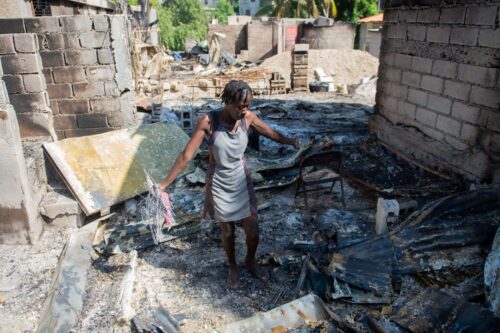
Because the gangs effectively control so much of Haiti, “The move is likely to worsen an already dire humanitarian crisis in Haiti,” The Times reports, as providing aid or engaging in commercial transactions in Haiti will be difficult without negotiating with the gangs.
“Humanitarian access programs would also likely cease,” Johnston said in a post quoted by the Times. “Can’t enter a community to disperse aid without negotiations” with the gangs.
“The effect of this policy is likely to be the further isolation of Haiti, a de facto embargo that harms those most impoverished and does little to alter the power of the gangs,” Johnston told the Herald.
“It could function as a de facto embargo,” Johnston told the Associated Press. “The gangs exercise tremendous control over the commerce of the country. Doing any kind of business with Haiti or in Haiti is going to carry much greater risk.”
Article

Article
Article
Article
Article
Article
Article
Article
